Natural & Architectural Lighting

Illumination strategies that enhance both function and atmosphere

The Power of Light

Lighting transforms how we experience kitchens. Natural daylight animates surfaces throughout the day, creating ever-changing moods, while carefully positioned fixtures ensure your kitchen remains warm and functional from dawn to evening.

Our lighting approach begins with maximizing natural light through strategic window placement and reflective surfaces. We then layer artificial lighting to supplement daylight, creating environments that feel equally inviting at noon and midnight.

πŸŒ…

Natural Daylight

Large windows, skylights, and glass doors flood estate kitchens with natural light. We position work zones to receive optimal daylight and use pale stone and warm white surfaces to reflect and amplify illumination.

πŸ’‘

Ambient Lighting

Recessed ceiling fixtures and architectural pendants provide general illumination, creating baseline visibility throughout the space. Dimmable controls allow adjustment for different times of day and activities.

πŸ”¦

Task Lighting

Under-cabinet LED strips, pendant lights over islands, and focused fixtures illuminate specific work areas. Proper task lighting prevents shadows and reduces eye strain during food preparation.

✨

Accent Lighting

Interior cabinet lights showcase glassware and china, while carefully positioned fixtures highlight architectural features. Accent lighting adds depth and visual interest to the space.

πŸŒ™

Evening Ambiance

Layered lighting allows you to adjust intensity for different moodsβ€”bright for cooking, dimmed for entertaining, subtle for late-night visits. Smart controls enable scene programming.

🎨

Color Temperature

We specify warm white (2700-3000K) LEDs that complement oak cabinetry and pale stone, creating inviting environments that enhance rather than bleach your kitchen's warm palette.

Natural daylight

Maximizing Natural Light

Estate kitchens often feature generous windows, a tremendous asset we amplify through strategic design. Work surfaces positioned near windows receive direct daylight, making color assessment and detail work easier.

Pale stone countertops and warm white cabinetry reflect natural light deeper into the space, reducing the need for artificial lighting during daytime hours and creating bright, uplifting environments.
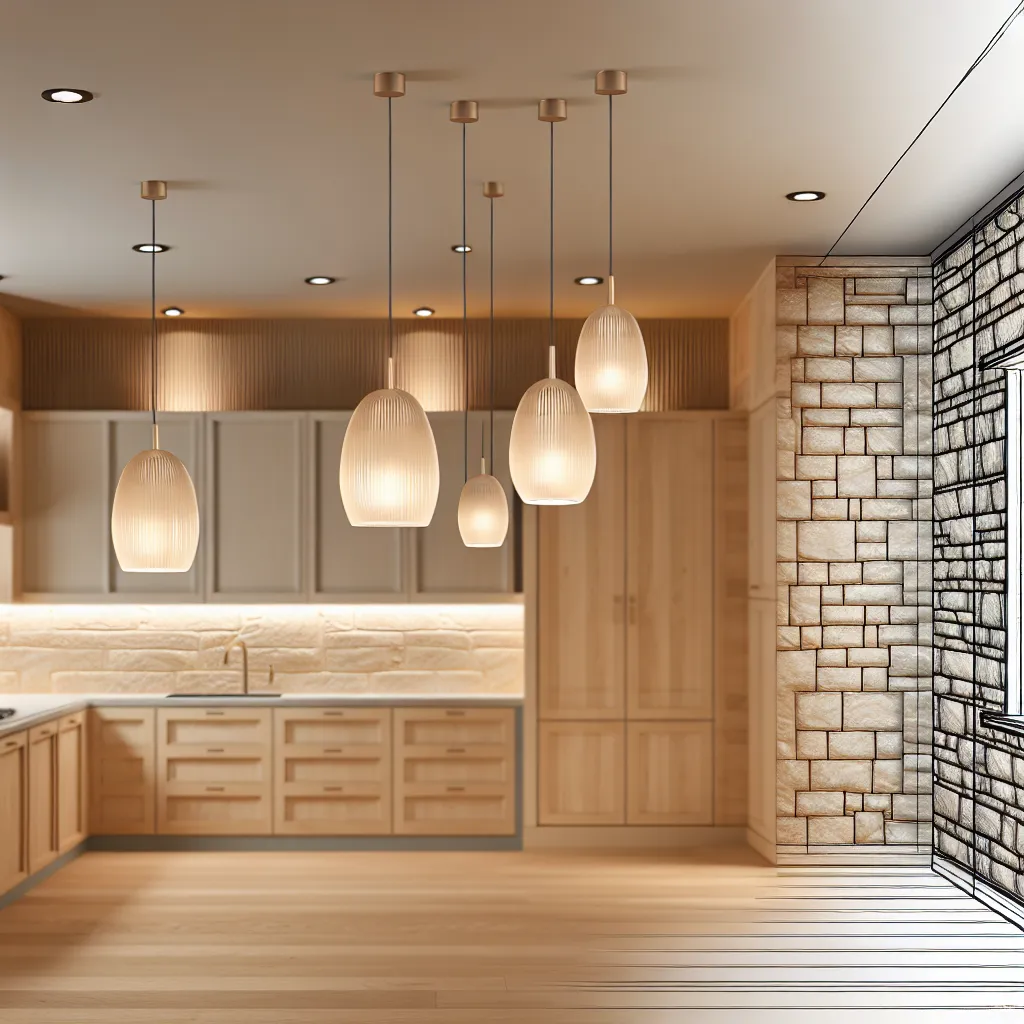
Architectural lighting

Architectural Integration

Lighting fixtures should enhance rather than compete with your kitchen's architecture. We select pendants, sconces, and recessed fixtures that complement your home's design language.

Muted graphite metal finishes, elegant glass shades, and simple geometric forms create visual interest without overwhelming the space. Each fixture is positioned for both practical illumination and aesthetic impact.

Lighting Design Principles

The considerations that guide our lighting strategies

01

Layered Approach

Combining ambient, task, and accent lighting creates flexibility. You can brighten the entire kitchen for thorough cleaning or create intimate pools of light for evening entertaining.

02

Shadow Elimination

Properly positioned task lighting prevents shadows on work surfaces. Under-cabinet strips eliminate shadows cast by your body, while overhead fixtures fill the broader space.

03

Dimmability

All lighting circuits should be dimmable, allowing adjustment for time of day, activity, and mood. Smart dimmers enable scene programming and remote control.

04

Energy Efficiency

LED technology provides excellent light quality while consuming minimal energy. Well-designed LED installations last decades without replacement, reducing maintenance.

05

Aesthetic Cohesion

Fixtures should relate to each other and the broader design. Consistent finishes, proportions, and styles create visual unity rather than a collection of unrelated lights.

Illuminate Your Kitchen

Discover how thoughtful lighting design can transform your estate kitchen

Schedule Consultation